Why Ultrafiltration (UF) is Essential Alongside RO in the Textile Industry
Published on July 3, 2025 by Ankit Sizing Pvt Ltd
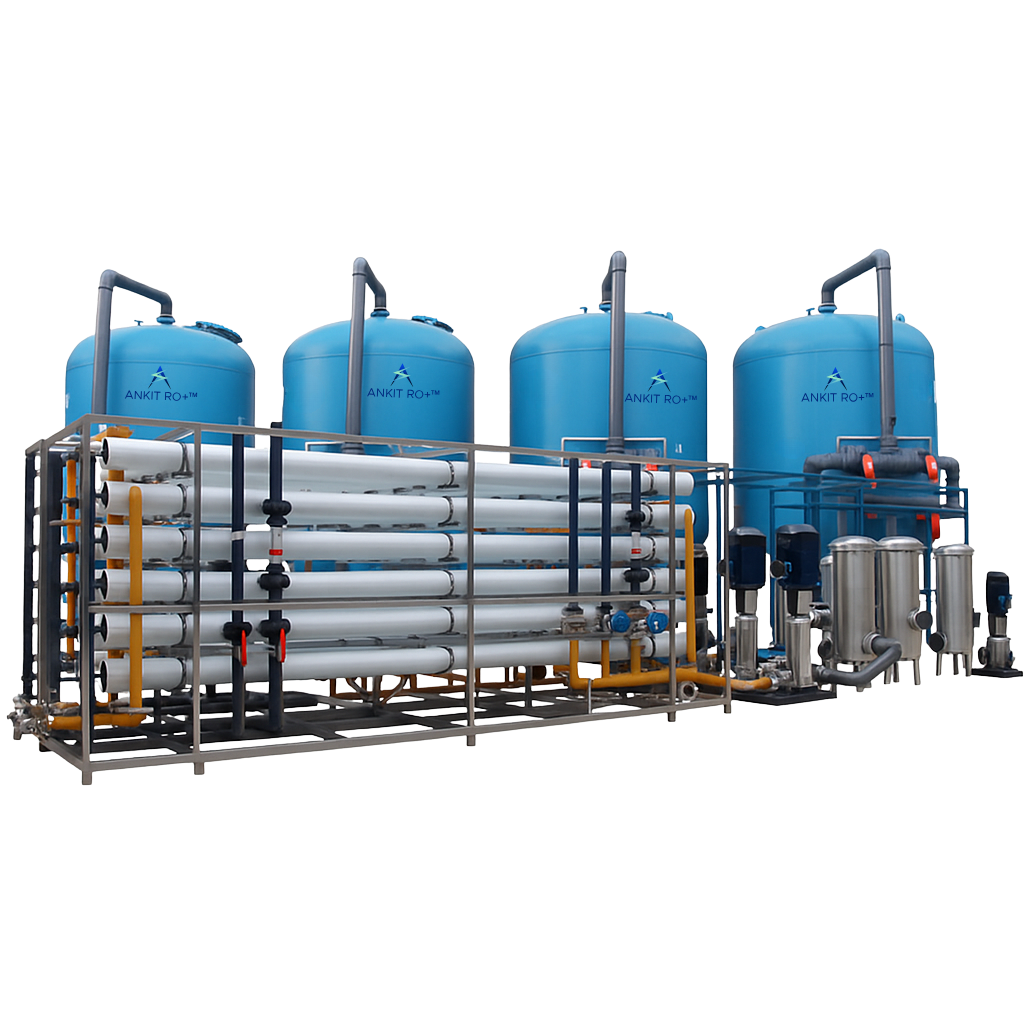
UF protects RO membranes, improves efficiency, and ensures reliable treatment of textile effluents.
The textile industry is one of the most water-intensive sectors, producing massive volumes of wastewater loaded with dyes, chemicals, suspended solids, and organic matter. Treating this complex effluent is not just about compliance but also about achieving sustainable operations. While Reverse Osmosis (RO) is widely used for its ability to remove dissolved salts and impurities, it cannot perform efficiently if the feed water contains high levels of particulates or organic load. That’s where Ultrafiltration (UF) steps in.
1. Protects and Extends RO Membrane Life
Textile wastewater contains dyes, sizing agents, surfactants, and colloidal particles that can quickly foul RO membranes. UF acts as a barrier, removing these impurities before they reach the sensitive RO system. This dramatically reduces membrane fouling, minimizes cleaning frequency, and extends membrane life, leading to lower operational costs.
2. Improves RO Efficiency and Permeate Quality
RO membranes perform best when the feedwater has low turbidity and minimal organic load. UF provides a consistent and high-quality feed to the RO unit by removing:
- Suspended solids
- Bacteria
- High molecular weight organics
3. Handles High Variability of Textile Effluent
Textile effluent characteristics change based on dyeing cycles, fabric types, and chemicals used. UF is a robust and adaptable technology that effectively handles such fluctuations, ensuring reliable pre-treatment regardless of water quality changes.
4. Enables Efficient Water Reuse
With growing environmental regulations and water scarcity issues, textile plants are increasingly moving toward Zero Liquid Discharge (ZLD) or reuse models. UF + RO systems ensure the treated water is of reusable quality, supporting internal recycling and reducing freshwater dependency.
5. Cost-Efficient and Sustainable Solution
Although adding UF may seem like an extra cost initially, it leads to long-term savings by:
- Reducing RO downtime
- Lowering chemical cleaning needs
- Preventing membrane replacement
"After integrating UF before RO in our dyeing plant, membrane issues reduced by 70% and our reuse rate went above 85%."
— Plant Engineer, Textile Unit, Gujarat
In a demanding industry like textiles, where wastewater complexity and water reuse targets are high, UF and RO are not alternatives—they are allies. Integrating Ultrafiltration as a pre-treatment to RO is no longer optional but a critical design necessity for achieving high performance, system longevity, and environmental compliance.
← Back to Blog